lifestyle/wearable/ control
The Digital Human as a Customizable System
Humanity has a never-ending fascination with creating God-like beings-first through myth, then religion, later science, and now technology. In the digital age, this impulse has shifted inward: instead of creating new gods, we are redesigning ourselves. The „digital human” is not a distant sci-fi figure but a lived reality, shaped through wearable technologies, biometric tracking, and emerging digital implants.
New wearable tech and digital implants gave us new options, which created new type of personal information with fast online access and a new option for „customization”.
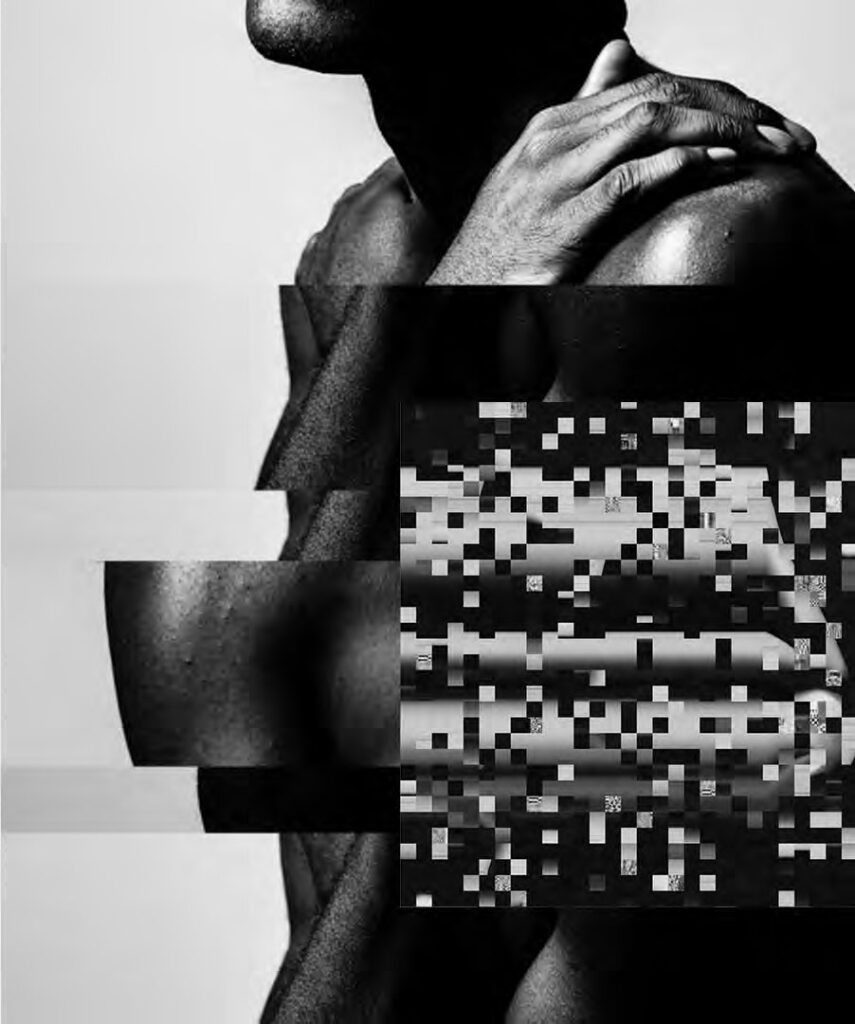
New wearable technologies-smartwatches, health sensors, AR glasses, neural interfaces-extend the human body into a continuous data-producing system.
Digital implants and embedded sensors go even further, dissolving the boundary between body and machine. These technologies generate an entirely new category of personal information: intimate, real-time, and deeply biological. Heart rate, sleep cycles, emotional states, attention levels, location, habits, and even neural signals become readable, storable, and instantly accessible online.
This constant data flow introduces a new form of lifestyle control. Life becomes something that can be optimized, monitored, corrected, and customized. The body is no longer just lived in-it is managed. Health, productivity, mood, and identity itself are framed as adjustable parameters, similar to software settings. The digital human becomes a platform rather than a fixed being.
Customization, once limited to appearance or consumer choice, now reaches into cognition, behavior, and biology. Algorithms suggest how we should sleep, move, eat, focus, or feel. Over time, external guidance risks becoming internal dependency: decisions once driven by intuition are delegated to systems that promise efficiency and self-improvement. Control subtly shifts-from the individual to the interface.
At the same time, this creates unprecedented opportunities. Wearables and implants can enhance accessibility, extend lifespan, prevent disease, and allow individuals to redesign their bodies beyond natural limitations. The dream of mastery–over pain, weakness, and uncertainty-feels closer than ever. In this sense, the digital human mirrors ancient God-making impulses: the desire for perfection, omniscience (total self-knowledge), and omnipresence (constant connectivity).
Yet this evolution raises critical questions. Who owns the data of the digital body?
Where does autonomy end when algorithms know us better than we know ourselves? When lifestyle becomes programmable, does freedom increase-or does it quietly erode?
The digital human stands at the intersection of empowerment and control. Wearable and implantable technologies do not simply augment life; they redefine what it means to be human in a world where the body, identity, and selfhood are continuously updated, monitored, and optimized.